Sensory-friendly workspaces: small changes that make a big difference
Most offices are designed for one kind of brain: one that can filter out fluorescent flicker, open-plan chatter, and the smell of someone's lunch, and still concentrate. Plenty of people can't do that easily, and have increasingly realised this with the increase of post-Covid working from home, but they are masking the effort it takes rather than saying so. Sensory-friendly workspace design isn't a niche accommodation for a small number of staff. It's a set of changes that make work easier for most people and essential for some.
Why sensory environments matter more than most workplaces realise
Neurodivergent people and people with sensory processing differences can experience everyday office conditions (harsh lighting, background noise, strong smells, unpredictable interruptions) as genuinely depleting rather than mildly annoying. The cost isn't just discomfort. It's concentration, energy, and how long someone can sustain a working day before they need to recover from it.
Women in particular are often diagnosed as neurodivergent later in life, or not at all, which means they've frequently spent years managing sensory overwhelm quietly, without a framework or workplace adjustment to name what's happening. A sensory-friendly workspace means everyone can benefit, rather than just those who’ve disclosed a diagnosis.
The small changes that add up
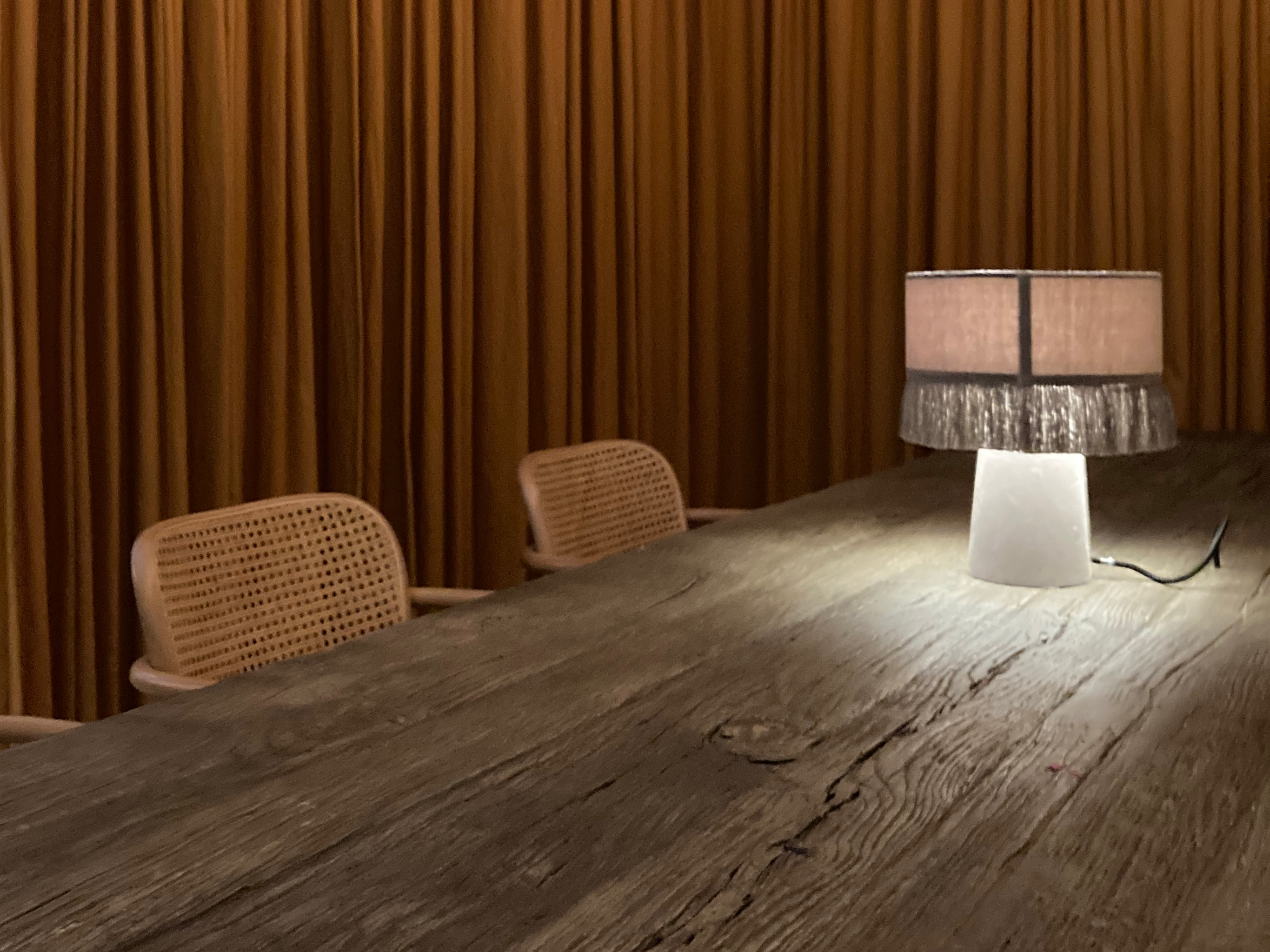
Lighting Fluorescent lights flicker at a frequency some people register consciously and painfully. Where you can, swap to warmer, dimmable lighting, or let people use their own desk lamp instead of relying on overheads. Natural light helps too, though it needs to be adjustable rather than direct and glaring.
Noise Open-plan offices are efficient for cost, not for concentration. You don't need a full redesign to help. A quiet room or two, noise-cancelling headphones as standard kit rather than a special request, and general permission to work from a low-stimulation corner all reduce the daily noise tax.
Smell Shared kitchens, strong cleaning products, and colleagues' perfume are common complaints from sensory-sensitive staff, and they're rarely taken seriously. A simple ask, like keeping strong food smells out of open desk areas, costs nothing.
Predictability Unplanned changes (a moved meeting, a surprise visitor, background music suddenly switched on) can be more disruptive than the sensory input itself. Giving people notice, and asking before changing shared conditions, is a low-cost habit that makes a real difference.
Control The common thread across all of the above is choice. A sensory-friendly workspace isn't one fixed setup; it's an environment where people can adjust their own conditions (light, noise, seating, breaks) rather than one where everyone is expected to tolerate the same defaults.
The business case
Most of these accommodations don’t require a big investment. Task lighting, a quiet room booking system, and headphones are a fraction of the cost of the alternative, which is losing good people to burnout or resignation because their environment worked against them. Retention and output both improve when people aren't spending half their energy coping with the room they're sitting in.
Where to start
You don't need to redesign the office in one go. Pick one change (lighting, a quiet space, or a heads-up before switching background noise on) and start there. Ask your team what's actually costing them energy; they usually know better than any generic checklist.
If you want this built into how your team works day to day, rather than a one-off policy, that's exactly what I help teams do through The Possibility Project: sessions for teams across London and beyond, grounded in creativity and lived experience, ending in real changes rather than a memo nobody reads.
Get in touch if you'd like to talk it through.